A farmers market can look like a loose collection of tables, but most are organized around a clear layout and a set of rules about who may sell. Understanding how stalls are grouped makes a visit faster and explains why two markets in the same city can feel quite different.
Grouping by category
Many markets arrange vendors into zones by what they sell. A typical division separates fresh produce growers, prepared and packaged food, meat and dairy, and craft or non-food sellers. This grouping helps shoppers compare similar stalls side by side and keeps cooking and sampling areas together.
- Produce growers — fruit, vegetables, and herbs, often near the entrance.
- Prepared food — bakers, preserves, and ready-to-eat vendors.
- Meat, dairy, and eggs — usually with refrigeration nearby.
- Craft and other goods — frequently placed toward the edges.
Producer-only and regional rules
A defining feature of many farmers markets is a rule that vendors must grow or make what they sell, rather than resell goods bought elsewhere. Markets that follow this approach often describe themselves as producer-only or farmer-first, and may give priority placement to growers from the surrounding region.
If provenance matters to you, look for a market that states a producer-only policy. Staff at the information table can usually explain which stalls are growers and which are resellers, where resale is permitted.
Permanent halls versus open-air layouts
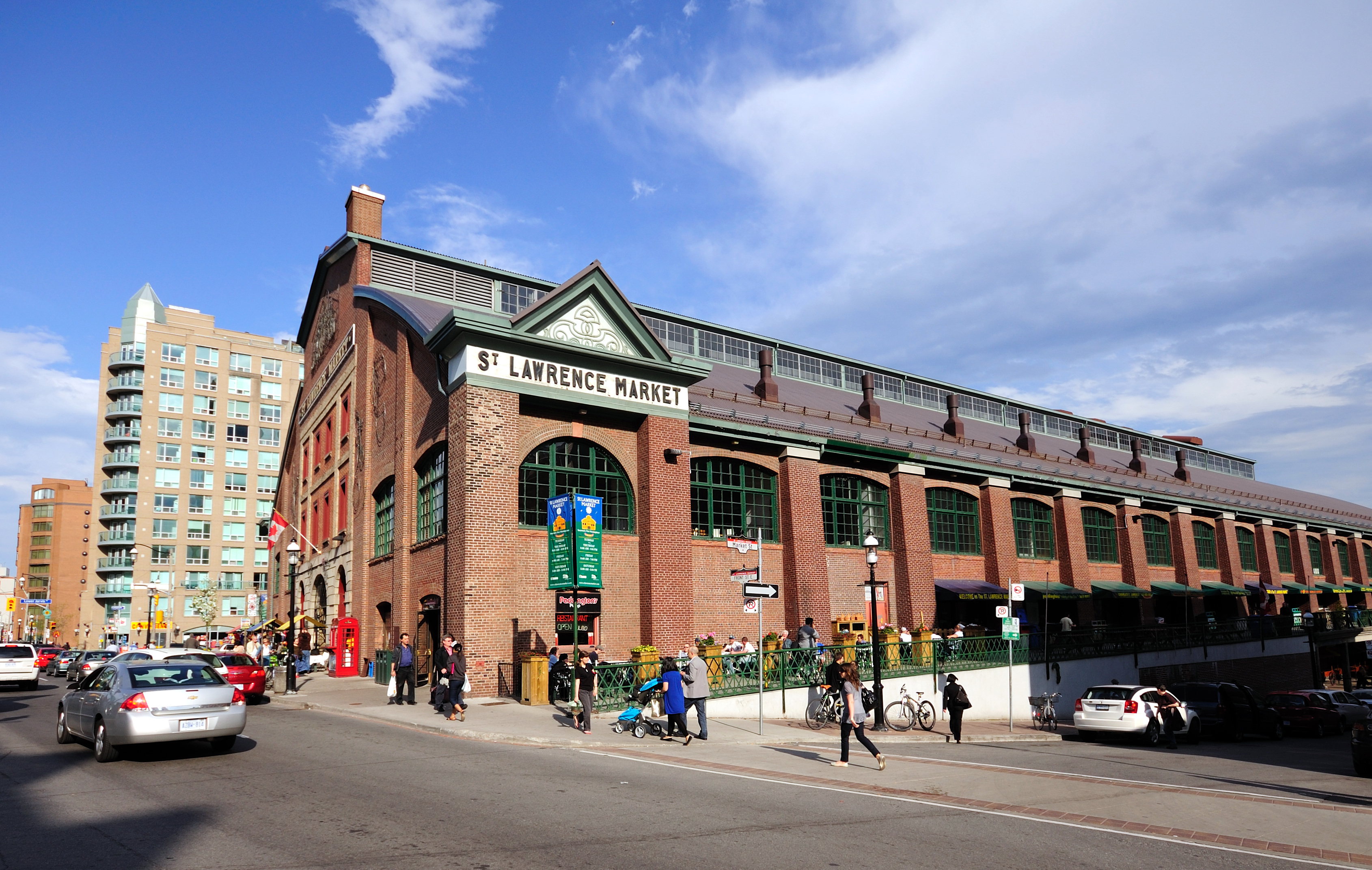
Indoor market halls, such as long-established public markets, often have fixed stalls leased by the same vendors over time, creating a stable layout that regulars learn by heart. Open-air markets are more flexible: vendors set up in assigned spots that can shift week to week, and the footprint may grow or shrink with the season.
What the information booth handles
| Role | What it usually covers |
|---|---|
| Vendor map | Where each category and stall is located |
| Market rules | Producer-only policy, accepted payments |
| Tokens or programs | Any market currency or accessibility support |
| Lost and found | General visitor questions |
Reading a market quickly
On arrival, a quick loop of the full market before buying is a common approach. It shows which growers are present that week, where the produce zone sits, and how prices compare, so the second pass can be spent buying rather than searching. Layout details vary by market, so treat these patterns as a general guide and check any posted map on site.